
Childcare in Katy, TX: Prepare Your Child with Confidence
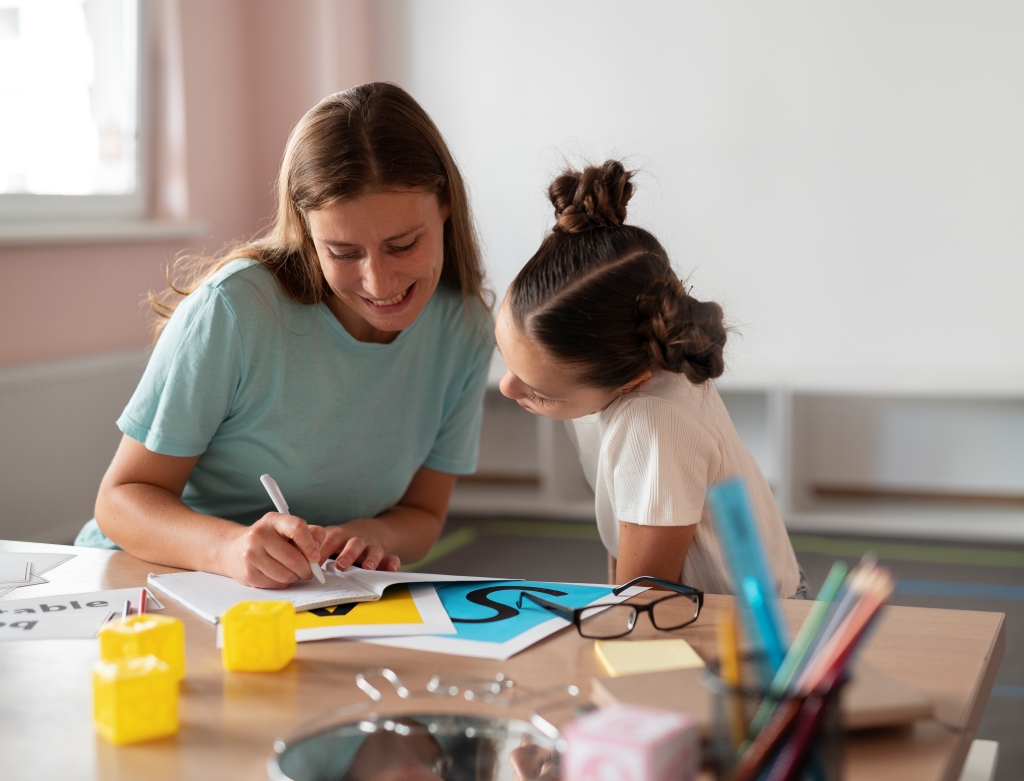
Starting childcare is a major milestone for both children and parents. For many families, it marks the beginning of a new routine where children learn, play, and build relationships outside the home. While this transition is exciting, it can also bring uncertainty, especially for children who have spent most of their time with family members.
Preparing your child emotionally before their first day can make the experience less stressful and help them adapt more confidently. Every child responds differently to new environments, but thoughtful preparation can reduce anxiety and encourage a positive attitude towards learning and social interaction.
This guide explores practical ways to prepare your child for Childcare in Katy, TX, helping make the transition smoother for the entire family.
Why the First Childcare Experience Can Feel Challenging
Entering a new environment involves many changes for young children. They meet unfamiliar adults, interact with new classmates, follow different routines, and spend time away from their parents or caregivers.
It is completely normal for children to experience a range of emotions, including excitement, curiosity, nervousness, or uncertainty.
Parents should remember that emotional adjustment takes time. A gradual approach often helps children develop confidence while becoming familiar with their new surroundings.
Understanding Separation Anxiety
One of the most common challenges during the first childcare experience is separation anxiety.
This is a normal stage of early childhood development where children become distressed when separated from their primary caregiver.
Common signs include:
Crying during drop-off
Clinging to parents
Reluctance to enter the classroom
Asking when parents will return
Temporary changes in mood
Although these reactions can be difficult for parents, they usually lessen as children become familiar with their new environment and build trusting relationships with educators.
Talk About Childcare in a Positive Way
Children often respond to the way adults discuss new experiences.
Before starting Childcare in Katy, TX, talk about childcare using simple, reassuring language.
You might explain that they will:
Meet new friends
Play with different toys
Read stories
Enjoy creative activities
Learn new skills
Answer questions honestly while keeping conversations calm and encouraging.
Avoid making unrealistic promises, such as saying they will never feel sad. Instead, acknowledge that new experiences can feel different at first and reassure them that those feelings are normal.
Visit the Centre Before the First Day
If possible, arrange one or more visits before your child's official start date.
Short visits allow children to:
Explore the classroom
Meet educators
Observe other children
Become familiar with routines
Build confidence in the environment
Early familiarity often supports a smoother childcare transition because children know what to expect.
Establish Familiar Daily Routines
Children feel more secure when daily routines remain predictable.
Before childcare begins, gradually introduce routines similar to those they will follow after enrolment.
This may include:
Consistent wake-up times
Regular meal schedules
Quiet reading before naps
Morning preparation routines
Bedtime consistency
Predictable routines help children develop confidence and reduce uncertainty during the transition.
Encourage Independence
Developing small independent habits before childcare begins can improve emotional readiness.
Encourage your child to practise:
Putting on shoes
Washing hands
Packing a backpack
Tidying toys
Drinking from their own cup
Completing simple tasks independently helps children feel capable when adjusting to a new environment.
Create a Calm Goodbye Routine
Drop-off routines have a significant impact on a child's emotional response.
Keep goodbyes:
Calm
Predictable
Brief
Positive
Avoid leaving without saying goodbye, as this may increase anxiety and reduce trust. Instead, reassure your child that you will return, give a hug, and leave confidently.
Although it may be difficult initially, consistent routines often support successful child adjustment over time.
Bring a Familiar Comfort Item
Some childcare centres allow children to bring a familiar comfort object during the early weeks.
Examples include:
A favourite blanket
A small soft toy
A family photograph
These familiar items can provide reassurance during moments of uncertainty while children adapt to their new surroundings.
Always check the centre's policies regarding comfort items before the first childcare day.
Build Social Confidence Before Childcare
Children who have opportunities to interact with others before childcare often adjust more comfortably.
Simple ways to encourage social development include:
Visiting playgrounds
Attending story time sessions
Arranging playdates
Participating in community activities
These experiences help children become familiar with sharing, communicating, and interacting with peers.
Be Patient During the Adjustment Period
Every child's adjustment process is different.
Some children settle within a few days, while others require several weeks before feeling fully comfortable.
Parents may notice temporary changes such as:
Increased clinginess
Changes in appetite
Disrupted sleep
Emotional sensitivity
These reactions often improve as children gain confidence in their new environment.
Maintaining patience and offering reassurance at home can support healthy emotional development throughout the transition.
Work Together with Educators
Open communication between parents and educators plays an important role during the childcare transition.
Sharing information about your child's routines, interests, and comfort strategies helps educators provide appropriate support during the early weeks.
Likewise, regular updates from educators help parents understand how their child is settling into the classroom.
This partnership creates consistency between home and childcare, making the transition smoother for everyone involved.
Supporting Emotional Growth Beyond the First Day
The first day is only the beginning of your child's childcare journey.
As children become more familiar with their surroundings, they gradually develop:
Confidence
Independence
Social skills
Emotional resilience
Curiosity
Communication abilities
Supporting these skills both at home and in childcare creates a strong foundation for future learning and wellbeing.
Families often look for early learning environments that provide consistent routines, caring educators, and opportunities for children to build confidence at their own pace.
Conclusion
Starting childcare is an important milestone that can bring both excitement and uncertainty. By preparing your child emotionally before enrolment, establishing familiar routines, encouraging independence, and maintaining open communication with educators, parents can help make the transition smoother and more positive.
Every child adjusts at their own pace, and patience is essential throughout the process. With consistent reassurance, encouragement, and supportive relationships, children gradually develop the confidence they need to enjoy learning, build friendships, and thrive in their new environment.
If you are preparing for your child's first childcare experience, contact Centerra Ranch Montessori School to learn more about its programmes and how the team supports children during this important transition.
Frequently Asked Questions
1. How can I prepare my child for Childcare in Katy, TX?
Talk positively about childcare, establish consistent routines, visit the centre beforehand, and encourage independence through simple daily tasks.
2. Is separation anxiety normal when starting childcare?
Yes. Separation anxiety is a common stage of development and usually improves as children become familiar with their educators, classmates, and daily routines.
3. How long does a typical childcare transition take?
Every child is different. Some settle within a few days, while others may take several weeks to adjust fully.
4. What are the signs of emotional readiness for childcare?
Children who show curiosity, can follow simple routines, communicate basic needs, and begin developing independence often demonstrate emotional readiness, although every child progresses at their own pace.
5. How can parents support their child's adjustment after the first childcare day?
Maintain consistent routines, speak positively about childcare, communicate regularly with educators, and offer reassurance while allowing your child time to adapt naturally.