How A Montessori Toddler Classroom Encourages Independence And Curiosity
Early childhood is a critical stage for learning, development, and behaviour formation. During these formative years, children begin to explore their surroundings, develop motor skills, and build the foundation for future learning. A Montessori toddler classroom is designed to support this stage by encouraging independence, curiosity, and self directed growth in a structured yet flexible environment.
Unlike traditional learning settings, Montessori classrooms focus on allowing children to learn at their own pace. This approach helps toddlers develop confidence, problem-solving abilities, and a natural interest in discovery. Understanding how this system works can help parents make informed decisions when exploring options such as a toddler daycare near me or local childcare programs.
What Is a Montessori Toddler Classroom
A Montessori toddler classroom is an educational environment based on the Montessori philosophy, which emphasises child-led learning. In this setting, toddlers are encouraged to explore activities independently while being guided by trained educators.
The classroom is carefully prepared with age-appropriate materials that support hands-on learning. Each activity is designed to promote specific skills, such as coordination, language development, and sensory exploration.
The key focus is not just on teaching but on creating an environment where children can naturally develop their abilities. This makes Montessori a preferred option for parents searching for daycare services Sugar Land TX that prioritise holistic development.
Encouraging Independence from an Early Age
One of the core principles of a Montessori toddler classroom is fostering independence. Children are given opportunities to make choices, complete tasks, and take responsibility for their actions.
For example, toddlers may:
Choose their own activities from a set of options
Clean up after completing a task
Practice simple self-care routines
These activities may seem small, but they play a significant role in building confidence and self-reliance. Over time, children learn to trust their abilities and become more comfortable making decisions.
For families considering daycare in Katy, this focus on independence can be an important factor when selecting a learning environment.
Creating a Prepared Learning Environment
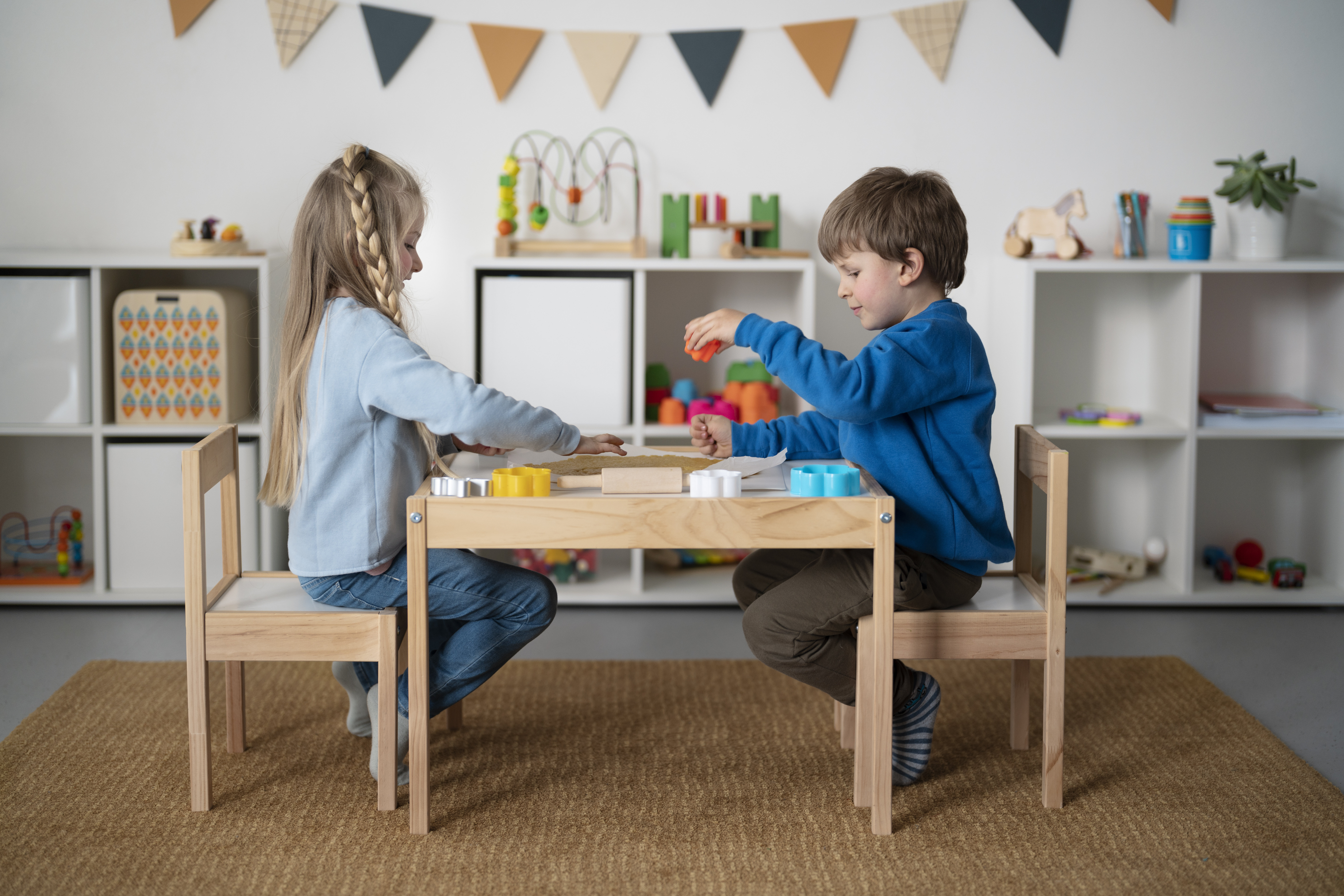
The environment in a Montessori classroom is intentionally designed to support exploration and independence. Everything is arranged to be accessible and safe for toddlers.
Features of a prepared environment include:
Child-sized furniture and tools
Clearly organised learning materials
Calm and structured layout
This setup allows children to move freely and engage with activities without constant assistance. It also helps them develop organisational skills and a sense of order.
Parents searching for toddler daycare katy tx often look for spaces that provide both safety and opportunities for active learning. A Montessori classroom addresses both needs effectively.
Promoting Curiosity Through Hands-On Learning
Curiosity is a natural trait in toddlers, and a Montessori toddler classroom is designed to nurture this quality. Instead of relying on passive learning methods, Montessori encourages hands-on experiences.
Children interact with materials that stimulate their senses and encourage exploration. These activities help them understand concepts through direct experience rather than instruction alone.
For example:
Sorting objects by size or colour
Exploring textures and shapes
Engaging in simple problem-solving tasks
This approach keeps children engaged and motivated to learn. It also supports cognitive development by encouraging critical thinking from an early age.
Role of the Educator in Montessori Classrooms
In a Montessori setting, the educator acts as a guide rather than a traditional instructor. Their role is to observe each child and provide support when needed.
Educators:
Introduce activities based on the child’s readiness
Encourage independent problem-solving
Maintain a calm and supportive environment
This approach allows children to take an active role in their learning process. It also ensures that each child receives attention tailored to their individual needs.
For parents evaluating daycare services, understanding the role of educators can help in assessing the quality of care and learning provided.
Supporting Social and Emotional Development
A Montessori toddler classroom also focuses on social and emotional growth. Children learn to interact with peers, share resources, and develop empathy.
Group activities and shared spaces encourage cooperation and communication. At the same time, children are taught to respect each other’s space and choices.
This balance helps toddlers:
Build positive relationships
Develop emotional awareness
Learn conflict resolution skills
Such experiences are valuable for long -erm development and prepare children for future educational settings.
Developing Practical Life Skills
Practical life activities are an essential part of the Montessori method. These tasks help children develop everyday skills that promote independence.
Examples include:
Pouring water from one container to another
Washing hands independently
Arranging objects in an orderly manner
These activities improve fine motor skills and coordination while also teaching responsibility. Over time, children become more capable of managing simple daily tasks on their own.
Parents searching for a toddler daycare near me often value programs that combine learning with practical skill development.
Encouraging Focus and Concentration
Montessori classrooms are designed to minimise distractions and encourage concentration. Children are given uninterrupted time to engage with activities, allowing them to focus deeply on what they are doing.
This helps develop:
Attention span
Patience
Problem-solving skills
The ability to concentrate from an early age is beneficial for future learning and academic success.
Individualised Learning Approach
Every child develops at their own pace, and a montessori toddler classroom recognises this by offering an individualised approach to learning.
Instead of following a fixed curriculum, activities are tailored to each child’s interests and abilities. This ensures that children remain engaged and do not feel pressured.
For families considering daycare in Sugar Land, this personalised approach can provide reassurance that their child’s unique needs will be supported.
Why Parents Consider Montessori Daycare Options
Parents often explore Montessori programs when looking for quality childcare options. The focus on independence, curiosity, and holistic development makes it a strong alternative to traditional daycare settings.
When evaluating options such as toddler daycare in Fulshear, TX, parents typically look for:
Safe and structured environments
Qualified educators
Opportunities for active learning
Montessori classrooms align with these expectations while offering a distinctive approach to early education.
Long-Term Benefits of Montessori Learning
The skills developed in a Montessori toddler classroom extend beyond early childhood. Children who experience this approach often demonstrate strong problem-solving abilities, independence, and a love for learning.
These qualities can contribute to:
Better academic performance
Improved social skills
Greater confidence in new situations
By encouraging curiosity and self-direction, Montessori education helps build a solid foundation for lifelong learning.
Final Thoughts
A Montessori toddler classroom provides a supportive environment where children can explore, learn, and grow at their own pace. By focusing on independence, hands-on learning, and individual development, this approach nurtures both curiosity and confidence.
For parents exploring options like toddler daycare near me, toddler daycare, or daycare services, understanding the Montessori method can help in making an informed choice. A well-designed learning environment not only supports early development but also prepares children for future educational experiences.
For more information or to find the right fit for your child, feel free to contact us to discuss your requirements and learn more about available programs.
FAQs
1. What age group is suitable for a Montessori toddler classroom
Montessori toddler classrooms typically cater to children between 18 months and 3 years of age.
2. How is a Montessori toddler classroom different from traditional daycare
It focuses on child-led learning, independence, and hands-on activities rather than structured group instruction.
3. Is Montessori suitable for all children
Yes, the approach is adaptable and supports different learning styles and developmental needs.
4. What should parents look for in a Montessori daycare
Parents should consider the environment, educator qualifications, and availability of age-appropriate learning materials.
5. Does Montessori education prepare children for school
Yes, it helps develop essential skills such as concentration, independence, and social interaction, which support future learning.