Montessori Schools and Early Childhood Development Guide
Childhood development plays a crucial role in shaping how young children learn, communicate, and interact with the world around them. During the early years, children develop essential cognitive, emotional, and social skills that influence their future learning experiences. Because of this, many parents carefully research educational environments that foster healthy growth and development.
Childhood development goes beyond academics. It encompasses independence, emotional awareness, curiosity, and problem-solving skills. Parents increasingly look for educational approaches that nurture these qualities while still providing a strong foundation for learning.
Montessori education is often considered by families exploring early learning options. A Montessori community school creates an environment where children can explore, work independently, and build confidence through meaningful activities. Parents who want to understand how Montessori classrooms function often explore programs likeCenterra Ranch Montessori, which demonstrates how the Montessori philosophy aligns with the natural stages of childhood development.
Understanding the Montessori Philosophy
The Montessori method is designed to support natural learning patterns in young children. Instead of following a one-size-fits-all teaching style, Montessori education respects that each child develops at their own pace.
What Is Montessori Education
A montessori childrens school follows a child-centered approach where students learn through exploration and guided discovery. Classrooms are carefully designed to encourage independence while providing structured learning opportunities.
Montessori education focuses on:
Hands-on learning activities
Encouraging independence
Allowing children to learn at their own pace
Supporting curiosity and exploration
Creating calm, organized learning spaces
Teachers guide children rather than giving constant instruction, helping them build confidence and self-motivation.
Why the Early Learning Environment Matters
The environment where children spend their early years can strongly influence learning habits, behavior, and emotional growth. Montessori schools design classrooms that encourage curiosity, focus, and creativity.
Features of Montessori Classrooms
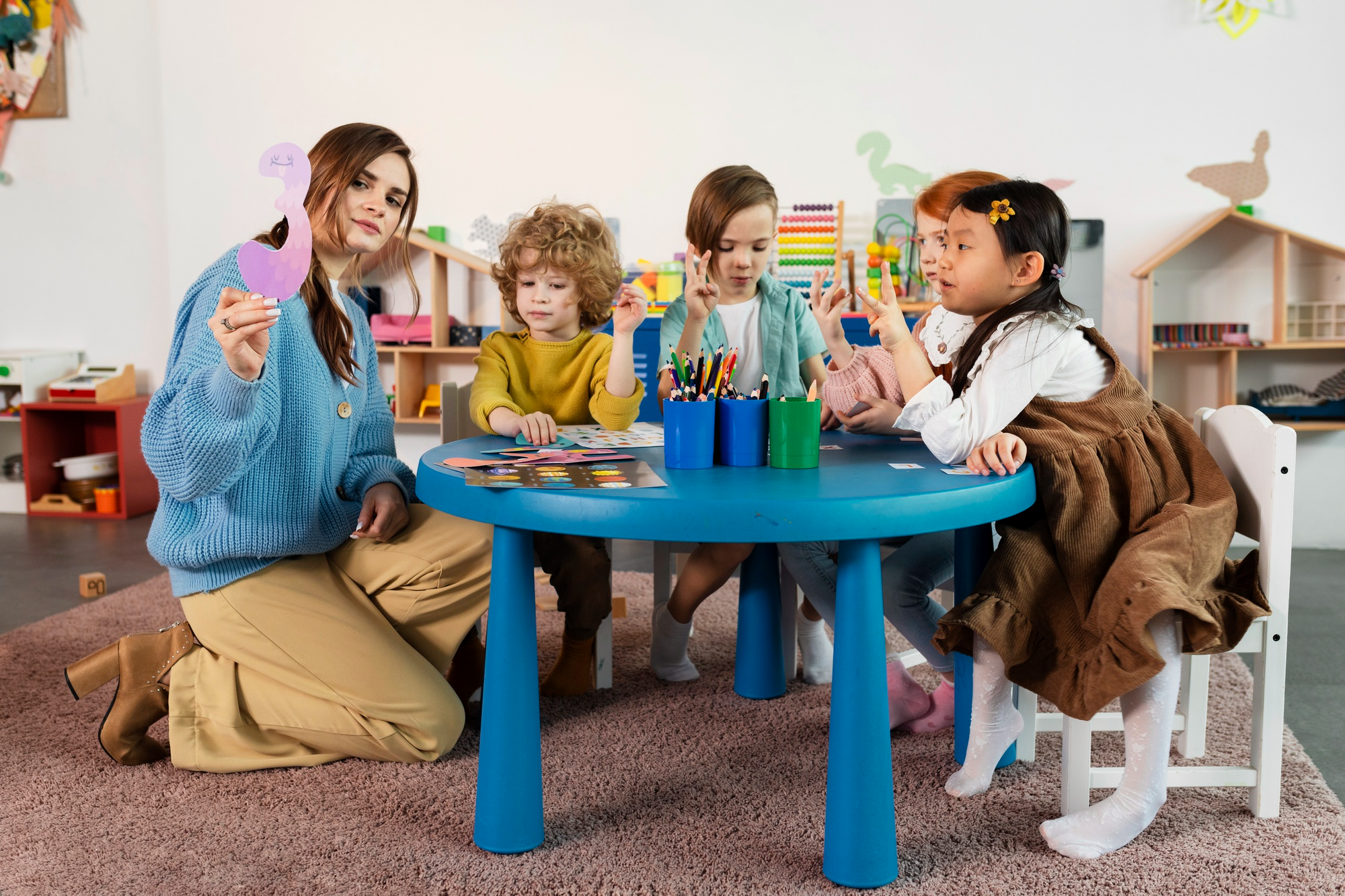
Montessori classrooms are intentionally arranged to let children move freely and interact with learning materials. Every element supports exploration and independence.
Children in montessori day schools often experience:
Child-sized furniture and accessible learning materials
Quiet spaces for focused work
Areas for both independent and group activities
A calm and structured atmosphere
These classrooms help children develop concentration and confidence while learning new concepts.
Independence and Responsibility in Montessori Education
Independence is one of the most recognized aspects of Montessori education. Children are encouraged to make choices about their activities while learning to take responsibility for their work.
How Montessori Encourages Independence
In a Montessori classroom, children manage many aspects of their learning. Teachers provide guidance, but students choose activities that interest them.
They learn independence by organizing their materials, completing tasks at their own pace, and making decisions about their work. This approach helps build responsibility, focus, and problem-solving skills.
Social and Emotional Development
Emotional growth and social understanding are essential to childhood development. Montessori schools recognize that children learn best when they feel respected, confident, and supported.
Building Social Skills in Montessori Schools
Montessori classrooms encourage cooperation and communication among students. Children work independently but also participate in group activities that strengthen teamwork skills.
Students develop social skills through:
Respectful communication with peers
Collaboration during group activities
Observing and learning from older students
Practicing empathy and patience
Resolving conflicts through guided discussion
Parents can also explore resources onhow Montessori education worksto better understand how social interaction and independence support early learning.
Hands-On Learning and Practical Skills
Young children learn best through movement, touch, and real-world experiences. Montessori education uses this natural style to help children understand academic concepts.
Practical Life Learning
Practical life activities are a core part of Montessori classrooms. These tasks may seem simple but help children build coordination, focus, and independence.
Children may practice activities such as arranging materials, organizing classroom spaces, or caring for classroom items. These tasks teach responsibility while strengthening fine motor skills and concentration.
Hands-on learning also helps children understand abstract ideas through direct experience, giving them a clearer understanding of numbers, language, and patterns.
Encouraging Curiosity and Exploration
Curiosity is a natural part of childhood development. Montessori education encourages exploration and discovery, allowing children to follow their interests.
Personalized Learning Approach
Every child learns differently. Montessori classrooms support this by offering flexible learning opportunities in a structured environment.
Children benefit from personalized learning because:
Activities are introduced based on developmental readiness
They can repeat tasks until they master them
Teachers provide individual guidance
Children are encouraged to explore personal interests
Learning remains engaging and meaningful
This approach keeps children motivated and confident in their learning journey.
Academic Foundations in Montessori Schools
While independence and exploration are key, Montessori schools also provide strong academic foundations. Subjects like language, math, science, and cultural studies are introduced gradually through hands-on experiences.
Key Academic Learning Areas
Montessori classrooms help children develop academic skills using structured materials and guided activities.
Children explore:
Early reading and writing through letter recognition
Math concepts using counting materials
Pattern recognition and problem-solving exercises
Science through observation and exploration
Cultural awareness through geography and world studies
These activities deepen understanding while maintaining engagement and curiosity.
Why Parents Choose Montessori Schools
Parents researching private montessori schools near me look for environments that support intellectual and emotional growth. Montessori schools provide a balanced approach that encourages independence and self-motivation.
Common Reasons Families Choose Montessori Education
Families often choose Montessori education because it offers:
Individual learning pace for each child
Calm and organized classroom environments
Opportunities for independent learning
Focus on curiosity and creativity
Strong development of social skills
These qualities help children gain confidence and prepare for future learning.
Choosing the Right Montessori School
Choosing the right school requires careful research and observation. While all Montessori schools follow the same philosophy, classrooms and teaching styles can vary.
What Parents Should Consider
Parents visiting a montessori community school should observe how students interact with teachers and learning materials.
Key factors to evaluate:
Teacher qualifications and Montessori training
Classroom setup and learning materials
Balance between independent and guided learning
Student engagement during classroom activities
Parents can learn more about the history and mission of Montessori schools to see how the philosophy supports early learning and childhood development.
Conclusion
Early education plays a major role in shaping how children learn, think, and interact with others. Montessori schools provide an approach that supports natural childhood development while encouraging independence and curiosity.
Through prepared classrooms, hands-on activities, and personalized guidance, children gain academic knowledge, emotional confidence, and life skills. These experiences build strong foundations for future learning.
Parents interested in understanding Montessori philosophy and values can exploreCenterra Ranch Montessori’s about pageto see how this approach supports early learning and long-term development.
Frequently Asked Questions
1. What is a Montessori school
A Montessori school is an educational environment where children learn through hands-on activities, independent exploration, and guidance from trained teachers.
2. How do Montessori schools support Childhood Development
Montessori schools support childhood development by encouraging independence, social interaction, hands-on learning, and allowing children to progress at their own pace.
3. What age groups attend Montessori schools
Montessori programs usually start around age three and may continue into primary education, depending on the school.
4. How are Montessori classrooms different from traditional classrooms
Montessori classrooms have mixed-age groups, interactive learning materials, and student-directed activities instead of constant teacher-led instruction.
5. Are Montessori schools suitable for all children
Many children thrive in Montessori settings because the approach supports individual learning styles, independence, and curiosity. Parents should visit schools to determine the best fit for their child.