How to Find the Right Preschool in Katy TX
Choosing a preschool is one of the first major educational decisions parents make for their children. The early years play an important role in cognitive, social, emotional, and physical development. A quality preschool environment can help children build confidence, develop essential skills, and prepare for future academic success.
For many families searching for a preschool near Katy TX, the process can feel overwhelming because there are many factors to consider. From teaching philosophies and classroom environments to safety standards and communication practices, each element contributes to a child's overall experience.
Understanding what to look for can help parents make an informed decision and find a preschool that aligns with their child's needs and learning style.
Why Preschool Education Matters
Preschool provides children with opportunities to learn through exploration, interaction, and structured activities. During these formative years, children develop foundational skills that support future learning.
A quality preschool program encourages:
Social interaction and teamwork
Communication and language development
Problem solving abilities
Emotional regulation
Independence and self confidence
Early literacy and numeracy skills
Research consistently shows that children who participate in high-quality early education programs often enter elementary school with stronger academic and social skills.
Understand Different Preschool Approaches
One of the first steps in selecting a preschool is understanding the various educational philosophies available.
Traditional preschool programs often follow teacher-led instruction with structured group activities. In contrast, a Montessori preschool Katy TX typically focuses on child-led learning, hands-on experiences, and independence.
Montessori classrooms encourage children to learn at their own pace while exploring carefully prepared learning materials. This approach supports concentration, problem solving, and self motivation.
Parents should consider how their child learns best and determine which educational style aligns with their developmental needs and family values.
Evaluate the Learning Environment
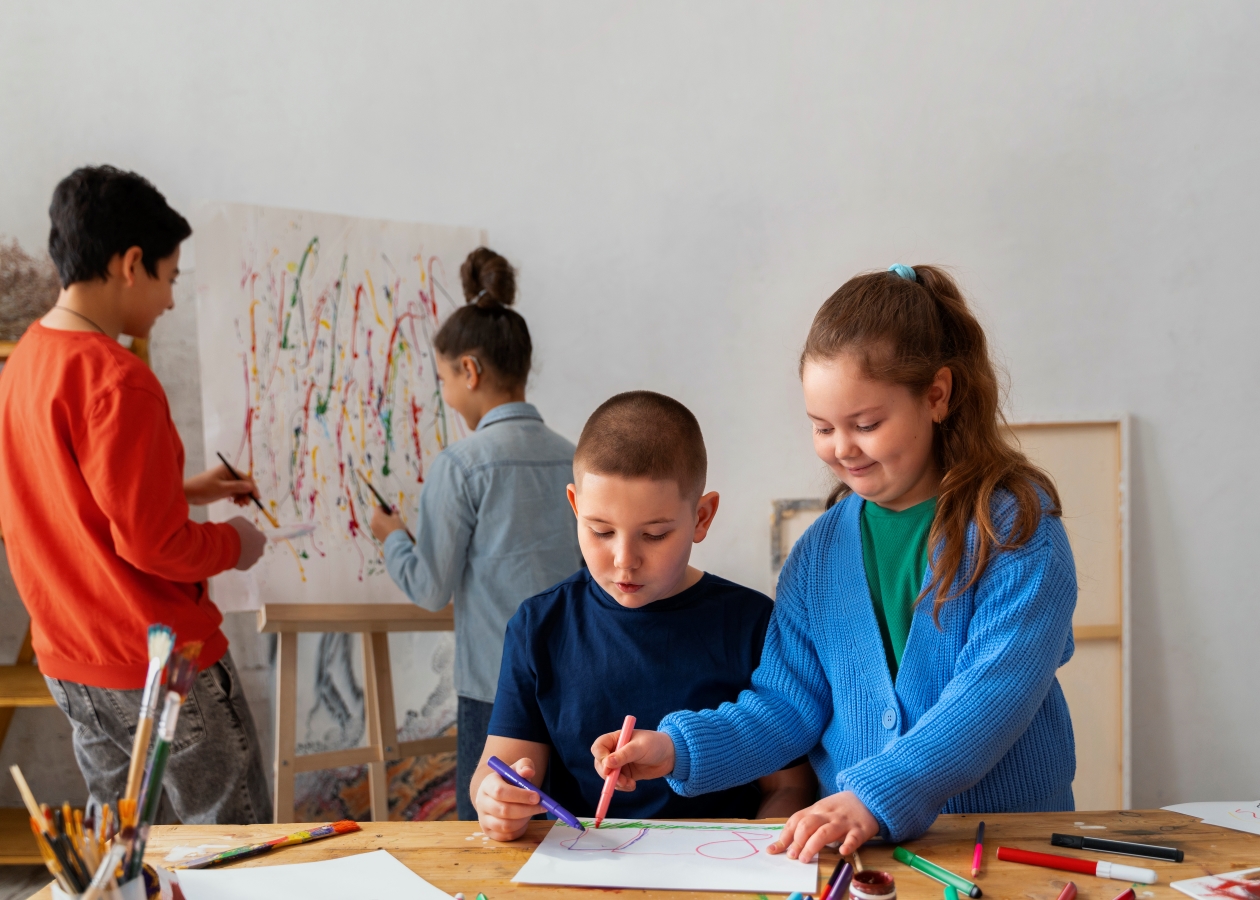
The classroom environment has a significant impact on a child's learning experience. When visiting a preschool, observe how the space is organized and how children interact with teachers and peers.
A positive preschool environment should include:
Clean and organized classrooms
Age appropriate learning materials
Safe indoor and outdoor play areas
Opportunities for independent exploration
Spaces that encourage creativity and collaboration
Children should appear engaged, comfortable, and actively participating in activities throughout the day.
A welcoming environment often reflects a program's commitment to supporting children's growth and development.
Consider Teacher Qualifications and Experience
Teachers play a central role in early childhood education. Their ability to guide learning, support emotional development, and foster positive relationships can significantly influence a child's preschool experience.
When evaluating a preschool, parents should inquire about:
Teacher education and certifications
Experience working with young children
Ongoing professional development
Student to teacher ratios
Classroom management practices
Qualified educators understand developmental milestones and can adapt teaching strategies to meet the needs of individual learners.
Strong teacher child relationships often contribute to greater confidence, engagement, and academic readiness.
Review Safety and Security Measures
Safety should always be a priority when choosing a preschool. Families should understand the policies and procedures that protect children throughout the day.
Important areas to review include:
Facility Security
Schools should have secure entrances, visitor protocols, and controlled access to classrooms.
Emergency Preparedness
Staff should be trained to respond to emergencies, including medical incidents, severe weather, and evacuation procedures.
Health and Hygiene Practices
Classrooms should follow consistent cleaning procedures and promote healthy habits among children.
Supervision Standards
Children should be appropriately supervised during classroom activities, outdoor play, meals, and transitions throughout the day.
A safe environment helps children feel secure and supports positive learning experiences.
Assess the Curriculum
A well-rounded curriculum should support all aspects of child development rather than focusing solely on academics.
Quality preschool programs often include activities that encourage:
Language and literacy development
Mathematics concepts
Science exploration
Creative arts
Music and movement
Practical life skills
Social and emotional learning
The curriculum should be age-appropriate and flexible enough to accommodate different learning styles and developmental stages.
When researching a preschool near Katy TX, ask how lessons are planned and how progress is monitored throughout the year.
Observe Communication Practices
Effective communication between families and educators contributes to a successful preschool experience.
Parents should understand how schools share information regarding:
Daily activities
Child development milestones
Behavioral observations
Upcoming events
Classroom updates
Open communication allows parents to remain involved in their child's learning journey and address concerns when necessary.
Schools that prioritize family engagement often create stronger partnerships that benefit children's overall development.
Consider Class Size and Individual Attention
Class size can influence the quality of interactions children have with teachers and peers.
Smaller class sizes often allow educators to:
Provide individualized support
Monitor developmental progress
Address unique learning needs
Build stronger relationships with children
When visiting potential schools, observe whether teachers have sufficient time to engage with each child and support their learning goals.
Programs that balance group learning with individualized attention can create more meaningful educational experiences.
Look at Opportunities for Social Development
Preschool is often a child's first experience participating in a structured group environment. Social development is an important component of early education.
Children learn valuable skills such as:
Sharing and cooperation
Conflict resolution
Empathy and respect
Listening and communication
Teamwork and collaboration
Whether attending a traditional preschool or a Montessori preschool Katy TX, opportunities for positive social interaction help children develop confidence and build healthy relationships.
These experiences contribute to both academic readiness and emotional well-being.
Visit Multiple Schools Before Making a Decision
Comparing several preschool options can provide valuable perspective and help families identify the best fit for their child.
During visits, consider:
Classroom atmosphere
Teacher interactions
Curriculum structure
Safety procedures
Communication methods
Learning resources
Overall school culture
Taking notes and asking questions can help parents evaluate each option objectively.
Many families searching for a preschool find that in-person visits provide insights that websites and brochures cannot fully capture.
Finding the Right Fit for Your Family
Every child is unique, and there is no single preschool that is ideal for every family. The best choice depends on a combination of educational philosophy, learning environment, teacher quality, safety practices, and family priorities.
Schools such as Centerra Ranch Montessori School provide families with opportunities to explore educational approaches that support independence, curiosity, and lifelong learning. However, parents should take time to evaluate multiple factors before making a final decision.
By carefully researching options and observing programs firsthand, families can confidently select a preschool near Katy TX that supports their child's growth, development, and future success.
Frequently Asked Questions
1. What age should my child start preschool?
Most preschool programs accept children between the ages of two and five, depending on developmental readiness and program requirements.
2. How do I choose between a traditional preschool and a Montessori program?
Parents should consider their child's learning style, personality, and educational goals. Montessori programs emphasize independence and hands-on learning, while traditional programs often follow more teacher-directed instruction.
3. What should I look for during a preschool tour?
Observe classroom organization, teacher interactions, safety measures, learning materials, and how children engage in activities.
4. Why is early childhood education important?
Early childhood education helps children develop social, emotional, cognitive, and communication skills that support future academic and personal growth.
5. How can I tell if a preschool is the right fit for my child?
A suitable preschool should provide a safe environment, qualified teachers, age-appropriate learning opportunities, and a positive atmosphere where your child feels comfortable and engaged.